OneCoin Expands Rapidly Across Europe, Asia, and the UK Amid Growing Crypto Hype (2015)

In early 2015, OneCoin emerged as one of the fastest-growing cryptocurrency projects in the world, riding a wave of global enthusiasm for digital assets. Marketed as a next-generation cryptocurrency designed to rival Bitcoin, the project expanded aggressively across Europe and Asia, attracting tens of thousands of new participants within months.
At the time, cryptocurrency was still poorly understood by much of the public.
Bitcoin’s dramatic price rises had captured headlines, but the technical foundations of blockchain technology remained opaque to many potential investors. OneCoin positioned itself squarely in that gap, promising an easier, more accessible alternative to existing cryptocurrencies one that did not require technical expertise or familiarity with digital wallets and exchanges.
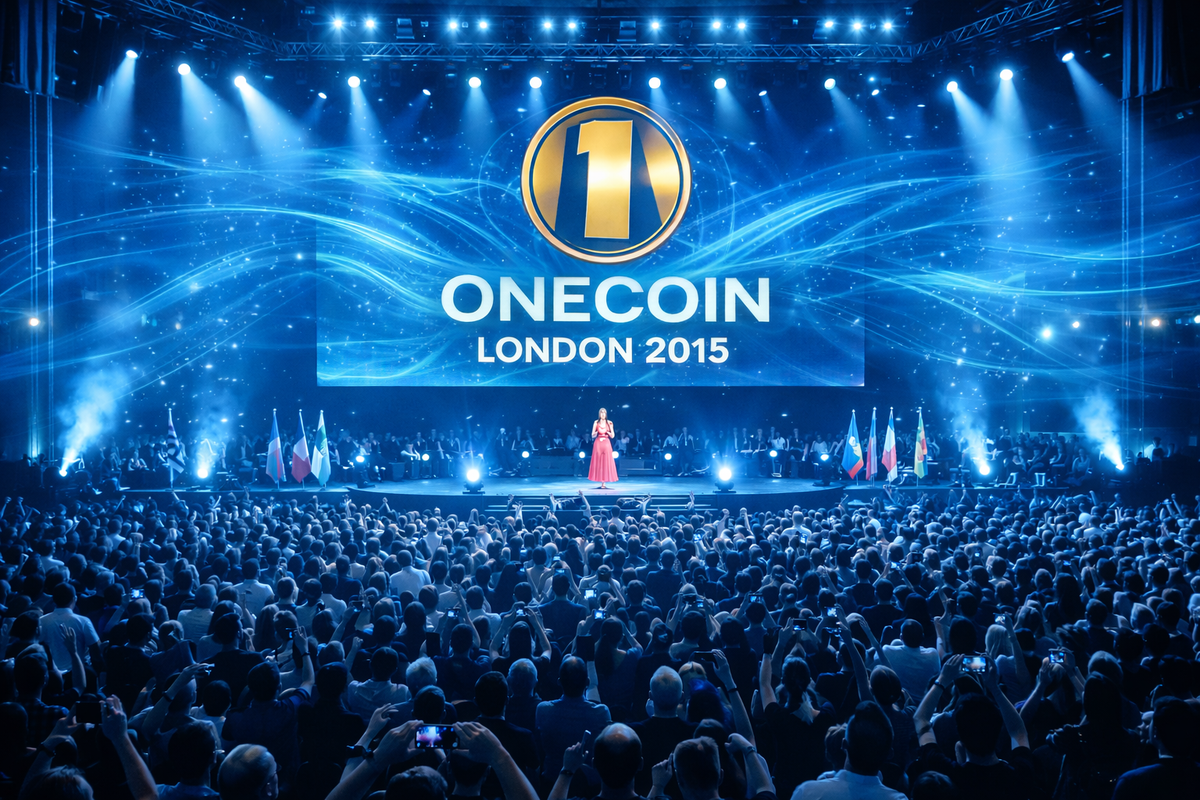
Throughout 2015, OneCoin organizers hosted large promotional events in cities across Eastern Europe, South Asia, Southeast Asia, and the United Kingdom. London, in particular, emerged as an important hub for promotional meetings and networking events, reflecting the city’s status as a global financial center and its openness to emerging financial products. These events often featured charismatic speakers, polished presentations, and bold claims about the future value of OneCoin. Attendees were told they were being offered a rare opportunity to join a revolutionary financial system at an early stage, before prices rose further.
Central to OneCoin’s expansion was its use of a multi-level marketing structure. Participants were encouraged not only to purchase so-called “education packages” themselves but also to recruit others into the network. Each new recruit represented additional revenue and potential commissions for existing members. This approach allowed OneCoin to spread rapidly through personal networks, social groups, and community organizations.
By mid-2015, OneCoin claimed to have millions of users worldwide, though these figures were never independently verified. Internal dashboards shown to participants displayed steadily rising coin values, reinforcing the perception that the project was succeeding. Promoters frequently compared OneCoin to Bitcoin, suggesting that early adopters stood to benefit significantly if the currency achieved widespread adoption.
Despite the scale of its growth, OneCoin did not operate like a typical cryptocurrency project. There was no public blockchain, no open-source code, and no independent verification of transactions. These gaps were rarely addressed directly in promotional materials, which focused instead on future plans, upcoming technological upgrades, and promised exchange listings.
As OneCoin expanded, it also began to attract the attention of financial regulators, including authorities in the United Kingdom. While formal UK enforcement actions would come later, financial commentators and consumer protection groups began raising concerns in 2015 about OneCoin’s lack of transparency and its heavy reliance on recruitment, warning that it did not resemble a conventional cryptocurrency. By late 2015, authorities in several countries had issued preliminary warnings, cautioning consumers that OneCoin did not appear to function like a legitimate cryptocurrency and might pose significant risks. These warnings, however, struggled to gain visibility amid the project’s aggressive marketing and the enthusiasm of its growing user base.
For many participants, the appeal was rooted less in technology than in hope. In regions with limited access to traditional investment opportunities, the promise of financial independence and global inclusion resonated strongly. OneCoin’s messaging emphasized empowerment, early adoption and community success, themes that helped sustain momentum even as questions began to surface.
By the end of the year, OneCoin stood at the height of its apparent success across Europe, Asia and parts of the UK. Yet the very factors that fueled its rapid expansion, recruitment-driven growth, opaque systems and unverified claims, would later become central to investigations by authorities in the United States, the United Kingdom and elsewhere, ultimately exposing the project as one of the largest financial frauds linked to cryptocurrency.